
No name

The Office of Public Affairs (OPA) advises the Director of the CIA and other senior leaders on media, public relations and communication matters. The OPA Director oversees the daily interaction with the media, the general public and the CIA’s workforce. OPA also manages the Agency’s cadre of speechwriters, who help prepare speeches and testimony for the Agency’s most senior leaders and write other communications for employees.

OPA is composed of three mission areas:

  1. Media Relations- Interacts with the press and the entertainment industry
  2. Public Communications- Manages public communications, including managing the CIA website content, organizing public events with CIA officials, distributing publications and responding to public inquiries
  3. Internal Communications- Employee communications, including the CIA Intranet

Whether you are an aspiring citizen preparing for the naturalization exam, a U.S. history or civics teacher or student, or just a patriotic American who wants to celebrate Constitution Day on September 17 or learn more about his or her country, you will enjoy our wide collection of civics and citizenship books, flash cards, pamphlets, DVDs, eBooks and more, many in English or in Spanish.

What better way is there to learn about citizenship and voting/elections process  than by official Congressionally-authorized publications and products from the U.S. Government? You will find official publications and products about the U.S. Government  in this GPO bookstore collection.   Discover resources about the Constitution, the rights and responsibilities of U.S. citizenship, as well as comprehensive and practical information designed to help new immigrants learn about the U.S. system of American government, U.S. Historical reference documents, such as the Public Papers of the Presidents series, and prepare for the U.S. Naturalization test.

Many products are available in English, Spanish, and Asian languages.

These official Federal Government books cover the strategic partnership between civil society and military organizations established to protect it. 

It covers topics, such as civil society and democracy, political theory, societal conflicts, defense and security issues.

What are the Code of Federal Regulations also referred to as the CFRs?  

The Code of Federal Regulations (CFR) is an annual codification of the general and permanent rules of the executive departments and agencies of the Federal Government published by the Office of the Federal Register (OFR) in the National Archives and Records Administration (NARA) in the Federal Register. The purpose of the CFR is to present the official and complete text of agency regulations in one organized publication and to provide a comprehensive and convenient reference for all those who may need to know the text of general and permanent Federal regulations.

Sign up for the annual year print subscription that will send out automatic renewals to keep your organization up-to-date with these changing Federal regulations. 

The CFR is divided into 50 titles representing broad areas subject to Federal regulation. Each Title is divided into chapters that are assigned to agencies issuing regulations pertaining to that broad subject area. Each chapter is divided into parts and each part is then divided into sections -- the basic unit of the CFR.  Those interested in a specific topic, such as Telecommunications, need only purchase a specific volume or groups of volumes that pertain to the desired topic. 

A full set of the CFR consists of approximately 200 volumes. The approximately 200 CFR volumes are revised at least once a year on a quarterly basis as follows:

  • Titles 1 -- 16 as of January 1
  • Titles 17 -- 27 as of April 1
  • Titles 28 -- 41 as of July 1
  • Titles 42 -- 50 as of October 1

The CFR is keyed to and kept up-to-date by the daily Federal Register. These two publications must be used together to determine the latest version of any given rule. When a Federal agency publishes a regulation in the Federal Register, that regulation usually is an amendment to the existing CFR in the form of a change, an addition, or a removal.

2841 items
Page 24 of 119
Attracting the Next Generation: A Look at Federal Entry-Level New Hires
Title:
Attracting the Next Generation: A Look at Federal Entry-Level New Hires

Attracting the Next Generation: A Look at Federal Entry-Level New Hires

In Search of Highly Skilled Workers: A Study on the Hiring of Upper Level Employees from Outside the Federal Government
Title:
In Search of Highly Skilled Workers: A Study on the Hiring of Upper Level Employees from Outside the Federal Government

In Search of Highly Skilled Workers: A Study on the Hiring of Upper Level Employees from Outside the Federal Government

Alternative Discipline: Creative Solutions for Agencies to Effectively Address Employee Misconduct
Title:
Alternative Discipline: Creative Solutions for Agencies to Effectively Address Employee Misconduct

Alternative Discipline: Creative Solutions for Agencies to Effectively Address Employee Misconduct

Power of  Federal Employee Engagement
Title:
Power of Federal Employee Engagement

Power of Federal Employee Engagement

The Federal Government: A Model Employer or a Work in Progress: Perspectives from 25 Years of the Merit Principles Survey
Title:
The Federal Government: A Model Employer or a Work in Progress: Perspectives from 25 Years of the Merit Principles Survey

The Federal Government: A Model Employer or a Work in Progress: Perspectives from 25 Years of the Merit Principles Survey

Addressing Poor Performers & the Law
Title:
Addressing Poor Performers & the Law

Addressing Poor Performers & the Law

Job Simulations: Trying out for a Federal Job
Title:
Job Simulations: Trying out for a Federal Job

Job Simulations: Trying out for a Federal Job

As Supervisors Retire: An Opportunity to Reshape Organizations
Title:
As Supervisors Retire: An Opportunity to Reshape Organizations

As Supervisors Retire: An Opportunity to Reshape Organizations

Fair and Equitable Treatment Progress Made and Challenges Remaining
Title:
Fair and Equitable Treatment Progress Made and Challenges Remaining

Fair and Equitable Treatment Progress Made and Challenges Remaining

Making the Right Connections: Targeting the Best Competencies for Training
Title:
Making the Right Connections: Targeting the Best Competencies for Training

Making the Right Connections: Targeting the Best Competencies for Training

Women in the Federal Government: Ambitions and Achievements
Title:
Women in the Federal Government: Ambitions and Achievements

Women in the Federal Government: Ambitions and Achievements

Managing Public Employees in the Public Interest: Employee Perspectives on Merit Principles in Federal Workplaces
Title:
Managing Public Employees in the Public Interest: Employee Perspectives on Merit Principles in Federal Workplaces

Managing Public Employees in the Public Interest: Employee Perspectives on Merit Principles in Federal Workplaces

Blowing the Whistle: Barriers to Federal Employees Making Disclosures
Title:
Blowing the Whistle: Barriers to Federal Employees Making Disclosures

Blowing the Whistle: Barriers to Federal Employees Making Disclosures

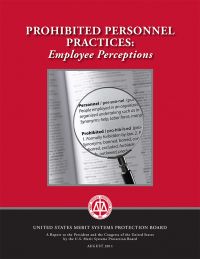
Prohibited Personnel Practices: Employee Perceptions
Title:
Prohibited Personnel Practices: Employee Perceptions

Prohibited Personnel Practices: Employee Perceptions

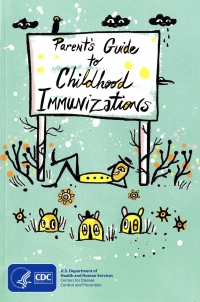
Parent's Guide to Childhood Immunizations
Title:
Parent's Guide to Childhood Immunizations

Parent's Guide to Childhood Immunizations

Telework: Weighing the Information, Determining an Appropriate Approach
Title:
Telework: Weighing the Information, Determining an Appropriate Approach

Telework: Weighing the Information, Determining an Appropriate Approach

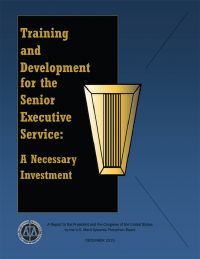
Training and Development for the Senior Executive Service: A Necessary Investment
Title:
Training and Development for the Senior Executive Service: A Necessary Investment

Training and Development for the Senior Executive Service: A Necessary Investment

Federal Employee Engagement: The Motivating Potential of Job Characteristics and Rewards
Title:
Federal Employee Engagement: The Motivating Potential of Job Characteristics and Rewards

Federal Employee Engagement: The Motivating Potential of Job Characteristics and Rewards

Clean Record Settlement Agreements and the Law
Title:
Clean Record Settlement Agreements and the Law

Clean Record Settlement Agreements and the Law

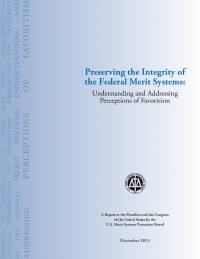
Preserving the Integrity of the Federal Merit Systems: Understanding and Addressing Perceptions of Favoritism
Title:
Preserving the Integrity of the Federal Merit Systems: Understanding and Addressing Perceptions of Favoritism

Preserving the Integrity of the Federal Merit Systems: Understanding and Addressing Perceptions of Favoritism

Evaluating Job Applicants: The Role of Training and Experience of Hiring
Title:
Evaluating Job Applicants: The Role of Training and Experience of Hiring

Evaluating Job Applicants: The Role of Training and Experience of Hiring

Sexual Orientation and the Federal Workplace
Title:
Sexual Orientation and the Federal Workplace

Sexual Orientation and the Federal Workplace

Veteran Hiring in the Civil Service: Practices and Perceptions
Title:
Veteran Hiring in the Civil Service: Practices and Perceptions

Veteran Hiring in the Civil Service: Practices and Perceptions

Veterans’ Employment Redress Laws in the Federal Civil Service
Title:
Veterans’ Employment Redress Laws in the Federal Civil Service

Veterans’ Employment Redress Laws in the Federal Civil Service

Back to Top